Discover the Best Fresh Organic Poultry Around You: Find Quality Organic Chicken Near Me
Fresh organic poultry combines defined certification standards with short supply chains and attentive handling to deliver safer, tastier meat for family meals. This guide explains what “fresh organic poultry” means, why it matters for health and animal welfare, and how to locate verified organic chicken near me in Queens and Astoria. Readers will learn how organic certification works, compare pasture-raised and free-range systems, and get practical shopping and cooking guidance for cuts like organic chicken breast, thighs, wings, and whole birds. The article also shows how to verify organic claims at point of sale and where to find a local butcher offering certified organic options. Finally, we profile a neighborhood butcher as an example of how local procurement, pickup, and delivery can simplify sourcing fresh organic poultry for weekly meals.
What Makes Fresh Organic Poultry the Best Choice for Your Family?
Fresh organic poultry refers to birds raised under certified organic standards that restrict antibiotics and require organic feed, producing meat with transparent provenance and lower exposure to certain synthetic inputs. The mechanism that makes organic poultry distinct is production controls — organic feed, limited or no antibiotic use, and approved processing — which reduce residues and emphasize welfare practices that can improve flavor and texture. Families benefit through reduced antibiotic exposure, clearer labeling, and traceability from farm to market, which supports safer meal planning and predictable quality. Understanding these attributes helps shoppers prioritize what to look for when choosing organic chicken near me and prepares them to verify claims at purchase.
This section includes a concise comparison of certification attributes to help readers spot meaningful differences when evaluating products and vendors.
| Certification Type | Core Requirement | What to Expect |
|---|---|---|
| USDA Organic (or equivalent) | Organic feed; no routine antibiotics; certified handling | Clear labeling, traceability, and restricted inputs that reduce exposure to synthetic agents |
| Pasture-Raised (label varies) | Outdoor access and foraging; welfare-focused management | More natural diet and activity; potential flavor differences and improved texture |
| Free-Range (label varies) | Some outdoor access during life cycle | Variable standards; look for specifics on range time and feed |
This table clarifies how certification labels translate to tangible attributes shoppers can use when comparing poultry options at markets or local butchers. The next subsections unpack certification, health effects, and production system differences in more detail.
What Does Organic Poultry Mean and How Is It Certified?
Organic poultry means birds were raised under an organic program that specifies permitted feed, restricted antibiotic use, and certified handling from farm through processing. Certification requires third-party verification where farms and processors document feed sources, medical treatments, and on-farm practices to demonstrate compliance; this creates a chain of custody buyers can trust when labels are accurate. Common certification signals include a recognized organic seal and accompanying documentation at the point of sale, which shoppers should request when in doubt. Asking vendors about supplier farms, feed origin, and the certifier provides practical assurance and helps consumers compare organic chicken to conventional offerings.
Understanding certification mechanics leads naturally to reviewing the main health advantages readers can expect from organic poultry.
What Are the Health Benefits of Eating Organic Chicken and Turkey?

Eating organic chicken and turkey lowers routine consumer exposure to antibiotics and certain synthetic additives because certified organic production disallows routine antibiotic use and mandates organic feed inputs. Reduced antibiotic exposure supports public-health goals by limiting one pathway for antibiotic resistance selection, and some studies suggest modest differences in fatty-acid profiles — in particular, pasture access can increase omega–3 content — which may benefit cardiovascular nutrition. Consumers should note that evidence varies between studies and that overall dietary patterns matter most for long-term health. Balancing realistic expectations with verified labeling helps families make informed choices for nutrition and safety.
These health considerations point directly to practical differences between pasture-raised, free-range, and conventional production systems, which the next subsection addresses.
How Does Pasture-Raised Poultry Compare to Free-Range and Conventional?
Pasture-raised poultry generally provides the greatest outdoor access and opportunities for natural foraging, whereas free-range indicates some outdoor access but with variable implementation, and conventional systems often limit outdoor time and rely on concentrated feeding. The practical effects include differences in activity levels, diet variety, and potentially meat texture and flavor; pasture-raised birds often show firmer texture and broader flavor profiles due to diverse forage. Environmental footprint and welfare outcomes also differ: pasture systems can improve soil health and biodiversity when managed well, while conventional systems typically emphasize efficiency and yield. Knowing these production distinctions helps shoppers match desired taste, welfare, and sustainability priorities when choosing organic or higher-welfare poultry.
Research indicates that pasture management significantly impacts both the welfare of organic poultry and the quality of the meat produced.
Pasture Management’s Impact on Organic Poultry Welfare and Meat Quality
ABSTRACT: AbstractOutdoor access is a defining characteristic of organic poultry that provides poultry with fresh grass, insects and worms that may lead to enhanced product quality. There is evidence that meat from pastured-based poultry may contain some additional nutritional benefits through lower fat content, as well as higher vitamin and mineral contents. At the same time, under good pasture management, bird health and welfare can be achieved. This review gives an overview on the pasture management practices that can be employed to prevent potential risks in organic poultry systems such as uncontrolled weather conditions or mortality due to predators. This paper discusses the various effects of pasture management on (a) poultry health and welfare, including physical comfort, absence of hunger and disease, possibilities to perform motivated behaviours and (b) meat quality, including both consumer and nutritional quality and sensory attributes as related to pasture synthesis and intake.
Effects of pasture management on poultry welfare and meat quality in organic poultry production systems, A DAL BOSCO, 2015
Why Choose Queens Prime Meat for Fresh Organic Poultry in Astoria, NY?

Queens Prime Meat is a family-owned and operated butcher shop in Astoria, Queens that provides local shoppers with a community-based option for purchasing fresh organic poultry. The shop emphasizes experienced butchers, clean tools, and consistent quality and freshness as part of its local value proposition, and it lists organic chicken breast among its poultry offerings. These trust signals — butcher expertise and transparent handling — matter because they influence cut quality, correct trimming, and proper packaging, which affect both flavor and shelf life. Queens Prime Meat also offers in-store pickup and local delivery options, making it practical for families who want certified organic poultry without a long supply chain or complicated logistics.
The shop’s neighborhood presence and specific poultry mentions give local shoppers a concrete place to check product availability, then confirm certification and timing directly via the business listing or contact channels.
How Does Queens Prime Meat Ensure Consistent Freshness and Quality?
Queens Prime Meat relies on experienced butchers and clean tools to maintain consistent handling standards that support freshness and safe processing. Skilled butchers trim, portion, and package poultry to reduce surface contamination and ensure correct portion sizes for home cooking, while routine cleaning and sanitary practices minimize cross-contamination risks. Packaging methods and in-store rotation schedules further preserve quality by limiting time at ambient temperature and ensuring product turnover, which contributes to the fresher appearance and texture shoppers expect. Customers are encouraged to ask store staff about specific handling practices and delivery windows to align purchases with peak freshness.
These practical quality steps make it easier for shoppers to trust local purchases and transition into where to buy and how to verify organic claims in the neighborhood.
What Organic Poultry Products Are Available at Queens Prime Meat?
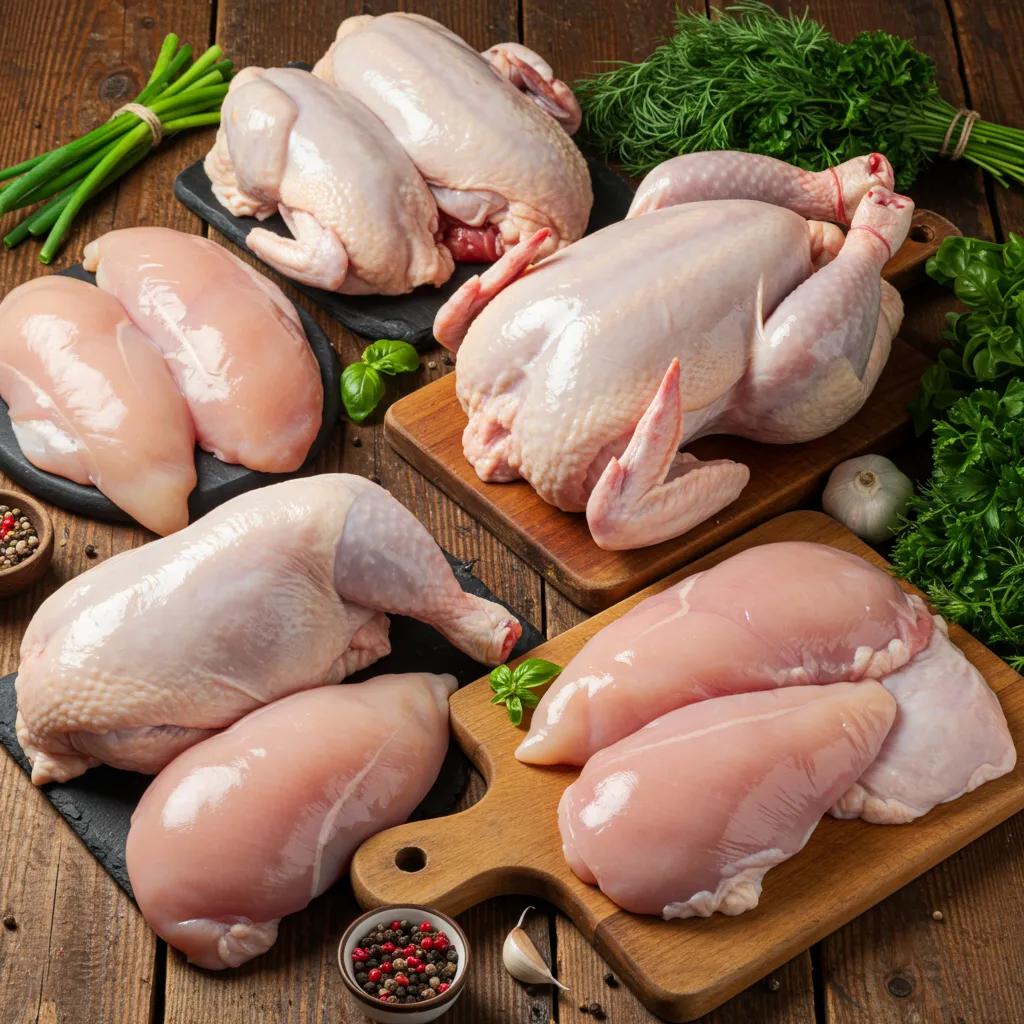
Queens Prime Meat explicitly lists “Chicken Breast Organic” among its poultry offerings and notes broader poultry items such as whole birds, drumsticks, wings, thighs as part of its assortment. Highlighting a named product like organic chicken breast helps shoppers plan meals that require lean, quick-cooking cuts, while the broader category signals the butcher stocks varied cuts that support different recipes and portioning needs. Because product availability can shift, customers should check the shop’s local business listing or call to confirm current stock and to request specific cuts or sizes. Presenting product options clearly at the counter aids selection and ensures shoppers leave with the exact cuts they need for planned recipes.
Describing product availability this way prepares readers for practical shopping steps and connects to the next topic: in-store pickup and delivery logistics.
How Does Queens Prime Meat’s Family-Owned Legacy Enhance Your Purchase?
Being family-owned and community-focused, Queens Prime Meat emphasizes personal service, local knowledge, and continuity of standards that many shoppers find reassuring when sourcing specialty products like organic poultry. A family-owned shop often invests in relationships with repeat customers and local suppliers, which can translate into consistent expectations about cut quality, packaging standards, and responsiveness to requests. For families seeking transparency and trustworthy handling, this legacy can be a deciding factor when choosing between store types. The shop’s community roots also facilitate local delivery and pickup coordination, which reduces friction when scheduling fresh poultry for meals.
This local trust frames practical buying steps, which the following section details for Astoria and Queens shoppers.
Where Can You Buy Fresh Organic Poultry Near Me in Queens and Astoria?
Finding fresh organic poultry nearby combines targeted search tactics with verification steps at point of sale, so shoppers secure certified products without wasted trips. Start local with searches like “organic chicken Astoria” or “fresh organic poultry near me,” check the store’s local business profile for product mentions and contact information, and call ahead to confirm availability of cuts such as organic chicken breast or whole organic birds. In-store pickup suits buyers who want immediate collection and validated packaging, while local delivery offers convenience for busy households; both channels require advance coordination to guarantee fresh stock. The following table compares common purchase options to help readers choose the best route based on turnaround and ordering method.
Introductory table comparing purchase options and ordering logistics.
| Purchase Option | What It Includes | Turnaround / How to Order |
|---|---|---|
| In-store pickup | Choose cuts in person; confirm certification at counter | Call or check the local business profile and pick up same day or scheduled |
| Local delivery | Home delivery of packaged poultry | Order by phone or local listing; delivery windows vary by vendor |
| Online ordering through shop listing | Product pages with cut details (if available) | Place order via shop’s local listing or phone; confirm pickup/delivery timing |
What Are the In-Store Pickup and Local Delivery Options at Queens Prime Meat?
Queens Prime Meat offers both in-store pickup and local delivery, giving customers options to retrieve certified organic poultry on their schedule or receive it at home. Pickup allows shoppers to inspect packaging and ask butcher staff about certification details at the point of sale, while local delivery is convenient for families who prefer contactless receipt and saved time. Because scheduling and stock levels change, the recommended approach is to check the shop’s local business listing or contact the butcher by phone to reserve specific cuts and clarify delivery windows. Using these channels ensures fresh organic poultry arrives within safe holding times and matches planned recipes.
Knowing how vendors handle pickup and delivery leads into a broader checklist for finding reliable organic butchers in NYC.
How to Find the Best Organic Butcher Shops in NYC for Quality Poultry?
To locate reputable organic butchers, use a vetting checklist that emphasizes transparent product pages, visible certification, and strong customer reviews; prioritize shops that list specific organic cuts like organic chicken breast or whole organic birds. Look for vendors who describe handling and packaging practices, who will answer questions about suppliers, and who provide convenient pickup or delivery options that fit your schedule. Search queries such as “local organic butcher Queens” or “organic chicken near me Astoria” paired with review filters will surface neighborhood shops that meet these criteria. Combining online vetting with a quick phone call before visiting saves time and ensures you get the cuts and certification you need.
This vetting approach naturally leads to practical verification steps to confirm organic and pasture-raised claims at purchase.
How to Verify Organic and Pasture-Raised Claims When Buying Locally?
When evaluating claims, ask to see certification labels, request the name of the certifier, and inquire about the supplier farm and feed practices; legitimate organic products will have traceable certifier information. Inspect packaging for an organic seal and production notes, and ask staff about the farm of origin and whether the birds had pasture access or specific welfare practices. If details are unclear, request documentation or supplier verification before purchasing to avoid mislabeling risks. These verification steps empower shoppers to make confident purchases and reduce the chance of paying a premium for ambiguous claims.
With verification tactics clear, the next major topic covers selecting cuts and cooking methods to highlight organic poultry quality.
How to Choose and Cook the Best Fresh Organic Poultry Cuts?
Choosing the right organic poultry cut depends on cooking method and meal goals; breasts are lean and quick-cooking, thighs offer rich flavor and forgiving texture for braises, and whole birds provide economical flavor concentration for roasting. Match cut choice to technique: pan-sear breasts for fast dinners, roast thighs slowly for tenderness, and reserve wings or drumsticks for grilling and broiling where skin and fat improve flavor. Proper selection at the butcher counter — checking appearance, fat distribution, and packaging date — improves final results in home kitchens. Below is a practical cut-to-use table to guide shoppers and cooks.
| Cut | Best Use | Quick Cooking Tip |
|---|---|---|
| Organic Chicken Breast | Quick pan-sear, grilling, stir-fry | Pound to uniform thickness; avoid overcooking to retain juiciness |
| Organic Chicken Thighs | Braising, roasting, slow-cooking | Cook longer at moderate heat to render fat and tenderize |
| Organic Whole Chicken | Roasting, centerpiece meals | Truss and roast at even temperature; reserve drippings for gravies |
What Are the Top Organic Chicken Cuts to Buy and Their Uses?
Organic chicken breasts deliver lean protein ideal for quick-cooking methods such as pan-searing and grilling, and they pair well with bright sauces that add moisture. Thighs and drumsticks contain more connective tissue and fat, making them perfect for slow-roasting, braising, and dishes that benefit from deeper flavor extraction over time. Wings excel in high-heat applications and make economical snack or appetizer options, while whole birds provide balanced proportions and concentrated flavor for roast dinners. Selecting the right cut at the butcher and requesting appropriate trimming or bone-in/bone-out options streamlines home preparation and maximizes value.
What Simple Recipes Highlight the Flavor of Organic Poultry?
Minimal-ingredient recipes best showcase organic poultry: a classic roast chicken with citrus and herbs, pan-seared organic chicken breast with garlic and lemon, and slow-braised thighs with tomatoes and aromatics. Each recipe emphasizes proper temperature control — roast whole birds to safe internal temperatures while maintaining juiciness, pan-sear breasts quickly and finish in the oven if needed, and braise thighs low-and-slow for tender texture. Simple preparations spotlight differences in meat flavor stemming from feed and welfare, making them ideal for discerning palates. Try experimenting with small variations in herb profiles and cooking times to match the specific cut and your kitchen equipment.
How to Store and Handle Organic Poultry for Maximum Freshness?
Store fresh organic poultry in the coldest part of the refrigerator at or below 40°F and use it within recommended safe refrigeration windows to minimize bacterial growth. For longer storage, freeze poultry in airtight packaging and label with the date; thaw in the refrigerator rather than at room temperature to preserve texture and food safety. Prevent cross-contamination by using separate cutting boards for raw poultry, washing hands and utensils thoroughly after handling, and cooking to safe internal temperatures. Proper handling maintains the quality advantages of organic poultry and protects household members from foodborne illness.
What Are the Key Differences Between Organic Chicken and Other Poultry Types?
Organic chicken differs from conventional and antibiotic-treated chicken primarily in feed, permitted medicines, and certification transparency; organic systems prohibit routine antibiotics and require organic feed, while conventional systems may use antibiotics for growth or disease control depending on regulations. The practical implications include differences in residue risk, management transparency, and potentially in certain nutrient balances if birds have pasture access that alters diet. Consumers benefit from clear labeling and the ability to ask vendors about supplier practices. Comparing these systems helps buyers weigh cost against desired outcomes like welfare, sustainability, and taste.
How Does Organic Poultry Differ from Conventional and Antibiotic-Treated Chicken?
Organic poultry production restricts routine antibiotic use and mandates organic feed, which contrasts with some conventional practices where antibiotics may be used for disease prevention or growth depending on regulations and oversight. For consumers, this translates into lower likelihood of antibiotic residues and more transparent supply chains when purchasing certified organic products. Label verification — asking for certifier details and product paperwork — is the practical way to confirm claims at purchase. Understanding these differences helps shoppers decide whether organic premiums align with family health and ethical priorities.
What Does “Pasture-Raised” Mean and Why Is It Important?
Pasture-raised indicates management systems where birds have regular access to pasture to forage, which can diversify diet and increase activity compared to confinement systems. This management influences animal welfare, can improve meat flavor and texture, and sometimes increases omega–3 content depending on forage types. However, pasture-raised standards vary by certifier, so buyers should ask vendors about the specifics of outdoor access, rotational grazing practices, and feed supplementation. Clear answers on pasture access and forage quality inform expectations about taste, nutrition, and sustainability impacts.
Pasture-based poultry farming offers a holistic approach that benefits animal welfare, enhances nutritional quality, and promotes environmental sustainability.
Benefits of Pasture-Based Poultry Farming: Welfare, Nutrition, Sustainability
Pasture-based poultry farming has emerged as a promising sustainable alternative to conventional indoor farming methods, offering potential benefits in terms of animal welfare, environmental sustainability, and nutritional quality of poultry products. This comprehensive review aims to summarize and analyze the existing literature on pasture-based poultry farming, providing insights into its advantages, challenges, and future research directions. Numerous studies have consistently reported pasture-based system in promoting animal welfare by allowing chickens to exhibit their natural behaviors, reducing stress levels, and enhancing overall health. Moreover, pasture-raised poultry products have demonstrated superior nutritional profiles, characterized by elevated levels of omega-3 fatty acids, vitamins, and antioxidants. The environmental benefits of pasture-based systems include enhanced soil fertility, reduced soil erosion, and lower greenhouse gas emissions compared to conventi
PASTURE-BASED POULTRY FARMING: APPROACH FOR ANIMAL WELFARE, NUTRITIONAL QUALITY AND ENVIRONMENTAL SUSTAINABILITY, 2023
How Do Sustainable and Regenerative Farming Practices Affect Poultry Quality?
Sustainable and regenerative practices such as rotational grazing, organic feed sourcing, and soil-building cover cropping influence poultry quality by improving forage diversity, reducing reliance on external inputs, and supporting healthier ecosystems that produce nutrient-rich feeds. These practices often correlate with better animal welfare and can yield sensory benefits in meat, including nuanced flavor and improved texture from more active birds and varied diets. While outcomes depend on farm implementation, asking vendors about farming practices and supplier relationships helps consumers choose poultry aligned with their sustainability goals. The link between farming systems and final product quality is an important decision factor when sourcing organic poultry locally.
What Are Common Questions About Buying Fresh Organic Poultry Locally?
Shoppers often ask where to find organic chicken nearby, whether organic poultry is more expensive, how to verify antibiotic-free claims, and the benefits of buying organic turkey for seasonal meals. Short, direct answers help reduce uncertainty and help buyers make practical decisions regarding timing, verification, and cost-benefit trade-offs.
Common buyer questions with concise answers:
- Where can I buy organic chicken near me in Astoria and Queens? Use local searches, check business profiles for product mentions, and call shops to confirm specific cuts and availability.
- Is organic poultry more expensive and why? Yes; higher costs reflect organic feed, certification, and welfare-oriented production that increase inputs and labor.
- How can I tell if organic poultry is truly antibiotic- and hormone-free? Look for recognized organic certification labels, ask vendors for certifier names, and request supplier information at purchase.
- What are the benefits of buying organic turkey locally? Organic turkey offers improved traceability and flavor for large meals; ordering in advance helps secure the right size and availability.
Where Can I Buy Organic Chicken Near Me in Astoria and Queens?
To find organic chicken nearby, prioritize local business profiles and phone confirmations: search with neighborhood terms like “organic poultry Astoria” and review shop listings for specific product mentions such as organic chicken breast. Contact the shop directly to check current stock and reserve cuts, especially for whole birds or larger orders. Local butchers with pickup and delivery options simplify the process by allowing reservation and timed retrieval. Using these steps reduces wasted trips and ensures shoppers obtain certified organic poultry when they need it.
Is Organic Poultry More Expensive and Why?
Organic poultry typically costs more because organic feed, certification processes, and welfare-focused management increase farm-level expenses, and slower growth or pasture access can reduce production efficiency per bird. Certification entails auditing, record-keeping, and sometimes premium feed sourcing, all of which are passed through the supply chain as higher retail prices. For families, the value derives from enhanced traceability, welfare considerations, and potential nutritional differences. Balancing budget with priorities such as reduced antibiotic exposure and local sourcing helps determine whether the premium is justified.
How Can I Tell If Organic Poultry Is Truly Antibiotic- and Hormone-Free?
The most reliable method is to check for recognized organic certification labels and to ask the vendor for the certifier and supplier farm details; certified organic standards prohibit routine antibiotic use and synthetic hormones. At point of sale, request to see packaging information or supplier documentation and ask staff specific questions about the bird’s medical history and feed. Red flags include vague answers about source farms or absence of certifier information. These verification steps protect buyers from misleading labels and ensure purchased poultry meets expected standards.
What Are the Benefits of Buying Organic Turkey Locally?
Buying organic turkey locally provides traceability and assurance around feed and medication practices, which is particularly important for large family meals where quality and safety are priorities. Local ordering also allows customization, proper sizing, and logistical planning for pickup or delivery during busy holiday windows. Flavor and texture benefits from organic or pasture-influenced diets can make a noticeable difference in large roasts, and earlier coordination with the butcher ensures availability. Planning ahead and confirming organic certification will secure the best outcome for seasonal gatherings.
Discover Fresh Organic Poultry for Delicious Meals in Astoria, NY
Local butchers support sustainable and ethical farming by choosing suppliers that follow organic feed practices and welfare-minded management, and by offering transparent information to customers at the point of sale. Queens Prime Meat emphasizes sourcing relationships and in-store handling that favor freshness and traceability, which can amplify sustainability benefits by shortening transport and clarifying provenance. Encouraging consumers to ask about feed types, farm practices, and certifiers creates market demand for higher-welfare suppliers. These procurement choices help align local shopping with broader environmental and ethical goals.
What Sustainable Feed and Farming Practices Are Used for Organic Poultry?
Organic poultry typically consumes organic, non-GMO feed that excludes prohibited synthetic pesticides and fertilizers, and many sustainable farms incorporate rotational grazing, cover crops, and diversified forage to improve soil and feed quality. Such practices reduce reliance on synthetic inputs and can improve nutrient density in feed, which in turn affects the flavor profile of poultry. Because specifics vary by farm, shoppers should inquire about feed composition and farm practices when verifying claims. Asking these questions promotes transparency and encourages suppliers to adopt more sustainable methods.
How Does Animal Welfare Impact the Quality of Organic Poultry?
Animal welfare affects stress levels, activity, and diet, all of which influence meat texture, marbling, and flavor; birds with access to forage and natural behaviors often develop firmer muscle structure and more complex taste profiles. Lower stress during rearing and transport reduces biochemical factors that can negatively affect meat quality, while better welfare systems often correlate with conscientious farm management overall. Practical shopper takeaways include looking for pasture access descriptions and asking vendors about handling practices, as these indicators often predict higher-quality final products.
How Does Choosing Local Organic Poultry Reduce Environmental Impact?
Choosing local organic poultry reduces transport distances and the associated emissions, improves traceability, and supports local supply chains that can be more responsive to sustainable practices; shorter supply chains typically mean fewer intermediaries and clearer provenance. Local purchasing also keeps consumer spending within the community, which can enable stronger relationships between retailers and nearby farms and facilitate regenerative practices at scale. While precise carbon benefits vary, buying locally and asking about farm practices helps align household purchasing with measurable environmental goals and supports a circular local food economy.
This final paragraph completes the local sustainability narrative and leaves readers with actionable steps for sourcing high-quality fresh organic poultry in their neighborhood.