How to Find Best Organic Meat Deals in Your Area
Finding the best organic meat deals in your area can be a rewarding endeavor, not only for your health but also for supporting local businesses. Organic meat is known for its superior quality, flavor, and ethical sourcing practices. This article will guide you through effective strategies to locate the best organic meat deals, focusing on trusted local butchers and the benefits of choosing organic options. You will learn how to compare prices, identify quality indicators, and understand the advantages of buying from local sources. By the end, you will be equipped with the knowledge to make informed decisions about your organic meat purchases.
Where Can You Find Trusted Organic Butchers in Queens?
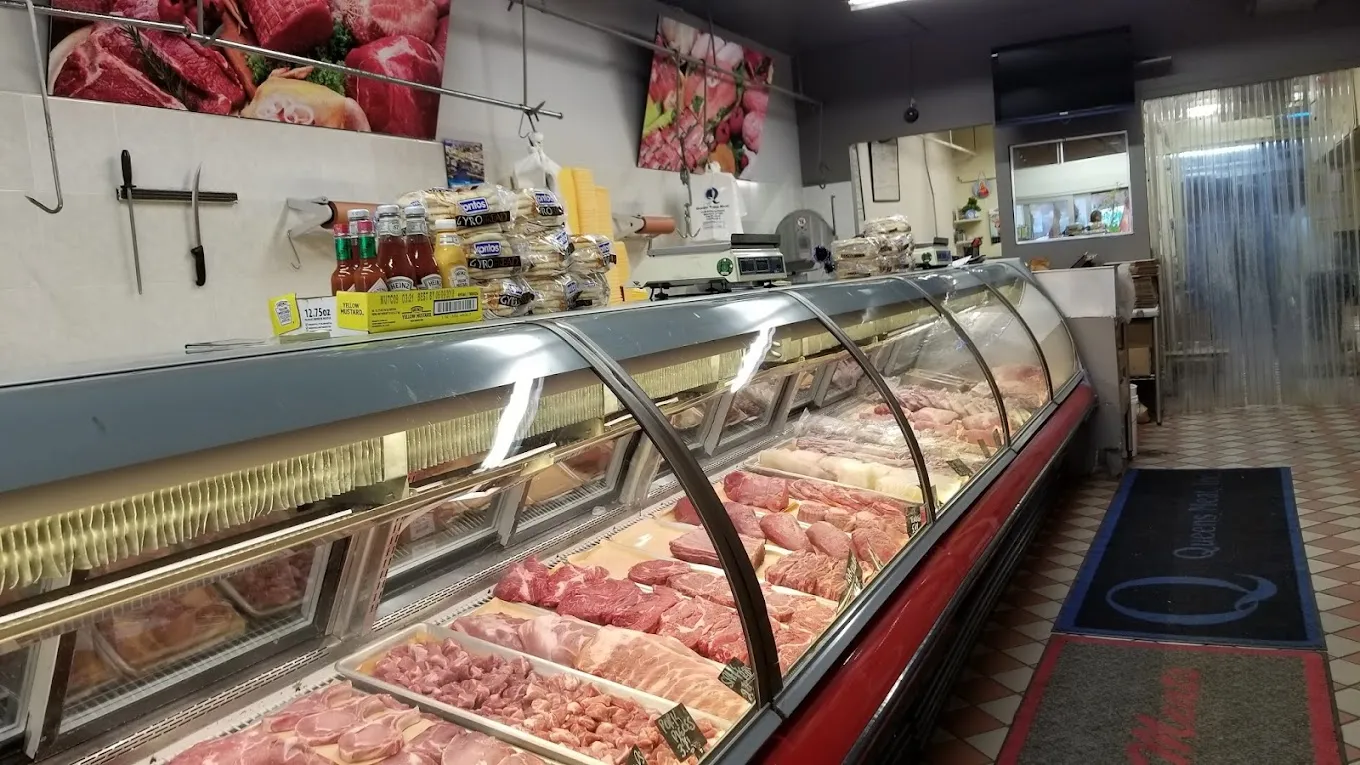
To find trusted organic butchers in Queens, start by looking for shops that display organic certification labels. These labels indicate that the meat has been sourced from farms adhering to strict organic farming practices. Additionally, checking customer reviews can provide insights into the quality of the meat and the service provided by the butcher. Visiting local shops allows for personal interaction, where you can ask questions about sourcing and freshness, ensuring you make a well-informed choice.
What Defines the Best Organic Butcher in Queens?
When evaluating the best organic butcher in Queens, consider the following criteria:
- Certification and Transparency: Look for butchers who are transparent about their sourcing and can provide proof of organic certification.
- Sourcing Practices and Quality Indicators: The best butchers prioritize local sourcing and can explain their meat quality indicators, such as grass-fed or pasture-raised options.
- Customer Service and Community Reputation: A butcher who engages with the community and provides excellent customer service is often a sign of a reputable establishment.
How Queens Prime Meat Shop Ensures Freshness and Local Sourcing
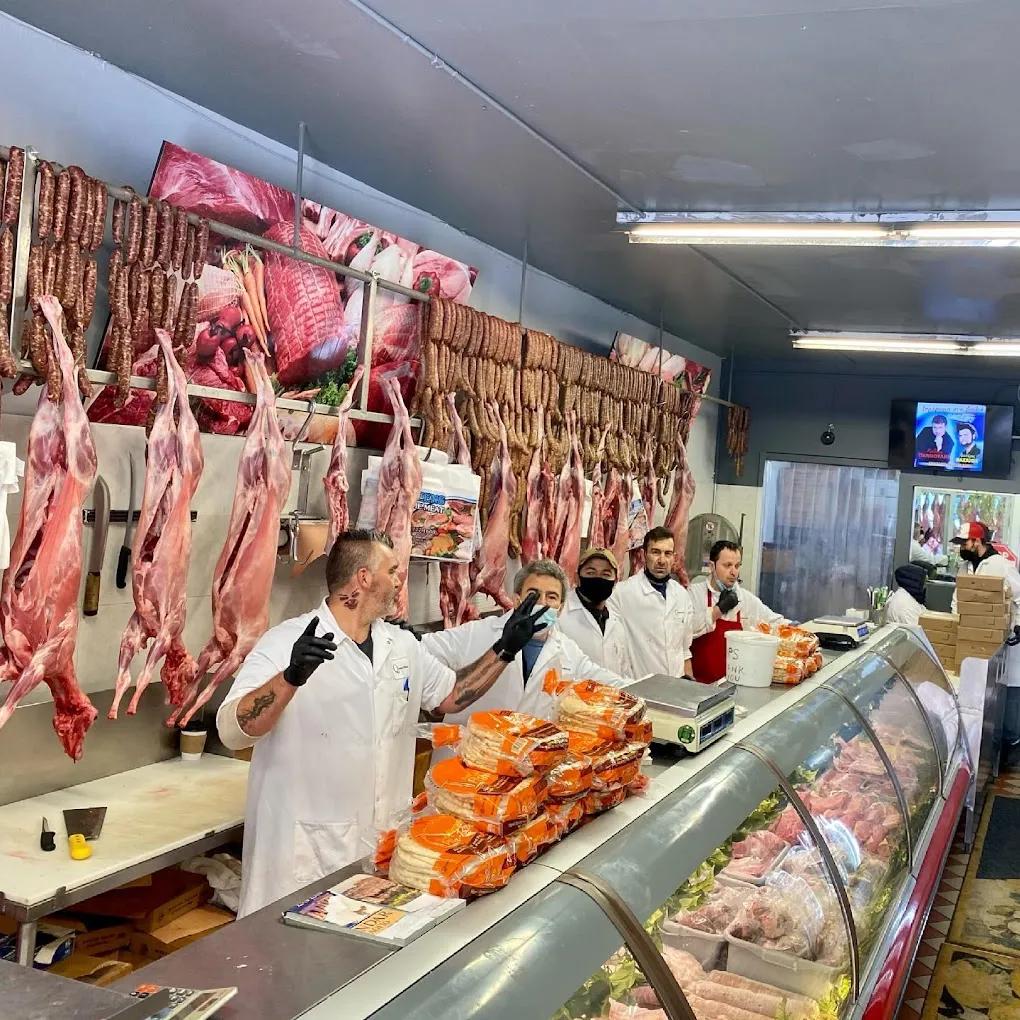
Queens Prime Meat Shop stands out by emphasizing partnerships with local farms, ensuring that their meat is fresh and of high quality. They implement rigorous quality control measures to maintain the integrity of their products. Customer feedback is actively sought and used to improve their offerings, fostering a transparent relationship with their clientele. This commitment to local sourcing not only supports the community but also guarantees that customers receive the freshest organic meat available.
How to Compare Organic Meat Prices Near You Effectively
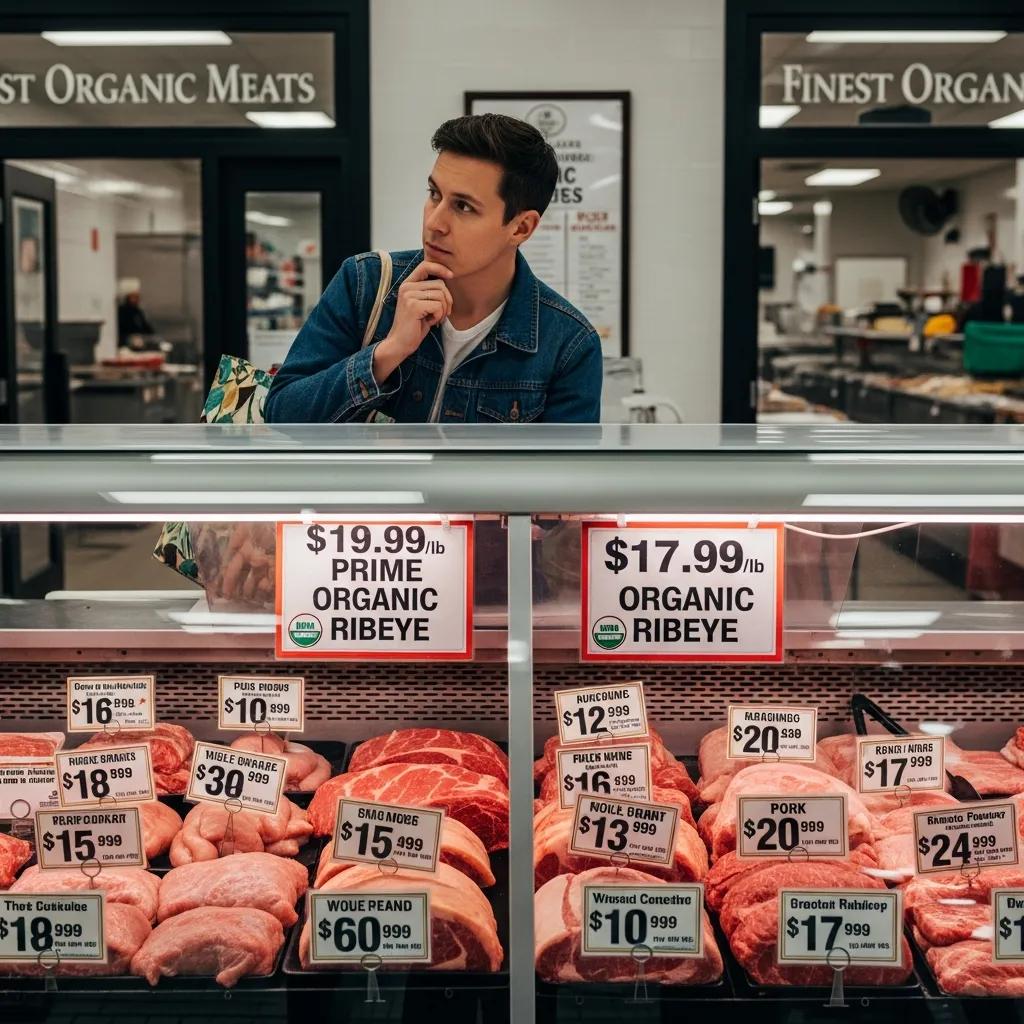
Comparing organic meat prices effectively involves several strategies:
- Evaluate Price Differences: Compare prices between local shops and supermarkets to identify the best deals.
- Consider Quality and Sourcing: Higher prices may reflect better quality and ethical sourcing practices, so weigh these factors against cost.
- Look for Promotions and Discounts: Many local butchers offer seasonal promotions or discounts for bulk purchases, which can significantly reduce costs.
EAV Table: Organic Meat Price Comparison
To help you compare organic meat prices and quality indicators, consider the following table:
| Butcher Shop | Price per Pound | Quality Indicator |
|---|---|---|
| Queens Prime Meat Shop | $8.99 | Grass-fed, local sourcing |
| Local Supermarket | $7.49 | Conventional, non-organic |
| Specialty Organic Store | $10.99 | Certified organic, pasture-raised |
This table illustrates the price variations and quality indicators among different sources, helping you make informed decisions.
What Factors Influence Organic Beef Prices Comparison?
Several factors influence the comparison of organic beef prices:
- Sourcing Costs and Quality Processing: Organic beef often comes from farms that adhere to strict regulations, which can increase production costs.
- Market Demand and Seasonal Variations: Prices can fluctuate based on demand and the time of year, with certain cuts being more expensive during peak seasons.
- Bulk Discounts and Price Transparency: Many butchers offer discounts for bulk purchases, making it more economical to buy larger quantities.
Understanding consumer perceptions and willingness to pay for organic products further illuminates the dynamics of organic meat pricing.
Organic vs. Conventional Meat: Consumer Perceptions & Price Premiums
ABSTRACT: AbstractGrowing interest in organic agriculture has prompted numerous studies that compare various aspects of organic and conventionally produced foods. This paper provides a comprehensive evaluation of empirical studies comparing organic products and conventionally grown alternatives. The emphasis is on key organic consumer demand and marketing issues, including: (1) the implications of an economic definition of organically grown food for consumer demand; (2) attributes that shoppers consider most when comparing organic with conventionally grown products; (3) level and characteristics of consumer knowledge and awareness about organic food; (4) assessment methods and characteristics of organic consumer attitudes and preferences; (5) size of price premium and characteristics of consumers’ willingness-to-pay for organic products; and (6) profile of organic consumers.
Comparison of consumer perceptions and preference toward organic versus conventionally produced foods: A review and update of the literature, EK Yiridoe, 2005
Where to Access Reliable Local Organic Meat Deals and Offers
To access reliable local organic meat deals, consider these approaches:
- Identify Reputable Butchers: Research and visit local butchers known for their organic offerings.
- Utilize Online Resources and Community Groups: Online platforms and community groups often share information about local deals and promotions.
- Monitor Promotions and Seasonal Offers: Keep an eye out for seasonal sales or special promotions that can provide significant savings.
What Are the Key Benefits of Choosing Organic Meat Locally?
Choosing organic meat from local sources offers several key benefits:
- Health Advantages and Nutrient Density: Organic meat is often richer in nutrients and free from harmful additives.
- Environmental Impacts and Sustainability: Supporting local farms reduces the carbon footprint associated with transporting meat over long distances.
- Support for Local Economies: Purchasing from local butchers helps sustain the community and promotes local agriculture.
The growing consumer preference for local organic food underscores the importance of understanding its supply chains and the value consumers place on local production.
Consumer Preference for Local Organic Food & Supply Chains
Local production is becoming an increasingly important food attribute for consumers due to inter alia recent food scandals and the growing complexity of food production. Especially in the organic food market, local production is seen as an important additional value. Even though there is a high preference for local food, it is still unknown, what organic consumers know about the production process when buying what is believed to be local food.
Consumers’ perception and expectations of local organic food supply chains, U Hamm, 2016
How Does Organic Certification Guarantee Meat Quality?
Organic certification guarantees meat quality through strict production standards that ensure animals are raised without synthetic hormones or antibiotics. Certified organic meat must also meet specific criteria regarding feed, living conditions, and processing methods. This certification provides consumers with confidence in the quality and safety of the meat they purchase.
Why Buy Organic Meat from Local Butchers in Astoria?
Buying organic meat from local butchers in Astoria has distinct advantages:
- Quality and Flavor of Local Organic Meat: Local butchers often provide fresher meat with superior flavor compared to mass-produced options.
- Affordable Pricing and Sourcing Practices: Many local butchers offer competitive pricing, especially when considering the quality of their products.
- Community Engagement and Trust: Establishing a relationship with local butchers fosters trust and allows consumers to learn more about their food sources.
How to Identify Quality Organic Meat for Your Needs
Identifying quality organic meat involves several key steps:
- Look for Certification Labels: Ensure the meat is certified organic to guarantee it meets specific standards.
- Check for Freshness and Sourcing Transparency: Fresh meat should have a vibrant color and minimal odor, and butchers should be able to provide information about sourcing.
- Engage with Knowledgeable Staff: Staff at reputable butcher shops can offer valuable insights into the best cuts and preparation methods.
What Are the Indicators of High-Quality Organic Beef and Poultry?
High-quality organic beef and poultry can be identified by several indicators:
- Characteristics to Look For: Look for vibrant color, firm texture, and minimal marbling in beef, while poultry should have a plump appearance.
- Sourcing Practices and Relevant Certifications: Ensure the meat comes from farms that adhere to organic practices and can provide certification.
- Quality Indicators and Freshness: Fresh meat should be free from any off-putting odors and should be stored properly to maintain its quality.
How Traditional Butcher Services Enhance Your Organic Meat Selection
Traditional butcher services enhance your organic meat selection by providing personalized service and expert advice. Butchers can offer custom cuts tailored to your preferences, ensuring you get exactly what you need for your meals. Additionally, they often have a deeper understanding of the meat they sell, allowing them to recommend the best options based on your cooking methods and flavor preferences. This level of service is often lacking in larger grocery stores, making local butchers a valuable resource for organic meat consumers.
The role of traditional butchers is crucial in strengthening local meat supply chains and providing essential support to both producers and consumers.
Expanding Local Meat Supply Chains & Butcher Support
ABSTRACT: Increased demand for local food has led to calls for additional supply-chain infrastructure to move products from farm to market. Meat and poultry are highly perishable, rigorously regulated products that require a complex chain, and processing is often said to be the weak link for local meats. Commitment from producers and meat buyers is essential to the persistence and expansion of processing capacity, but nonmarket actors can provide critical technical support and facilitate innovation that strengthens this sector. We present four collaborative efforts, three regional and one national, that focus on processing with the goal of expanding the local meat sector.
Beyond the farmer and the butcher: Institutional entrepreneurship and local meat, L Gwin, 2014
To explore the variety of options, consider checking out our products at Queens Prime Meat Shop.