
Why Choose Local Organic Meat Over Conventional Options: Benefits and Health Insights
Choosing local organic meat over conventional options is a decision that can significantly impact your health, the environment, and local economies. Organic meat is produced without the use of antibiotics, hormones, or harmful additives, making it a healthier choice for consumers. This article explores the numerous benefits of selecting locally sourced organic meat, including its nutritional advantages, environmental sustainability, and the importance of certifications. By understanding these factors, consumers can make informed choices that align with their health goals and values. We will delve into the key health benefits of organic meat, the advantages of local sourcing, the certifications that guarantee quality, and how pricing compares to conventional options.
What Are the Key Health Benefits of Choosing Organic Meat?
Organic meat offers several health benefits that set it apart from conventional meat. It is produced without the use of synthetic pesticides, antibiotics, or growth hormones, which can have adverse effects on human health. By choosing organic, consumers can enjoy meat that is not only fresher but also free from harmful additives.
How Does Organic Meat Improve Nutrition Compared to Conventional Meat?
Organic meat typically contains higher levels of essential nutrients compared to its conventional counterparts. Studies have shown that organic beef, pork, and poultry are often richer in omega-3 fatty acids and antioxidants. These nutrients contribute to better heart health and overall well-being. Additionally, the absence of harmful additives in organic meat means that consumers are less likely to ingest substances that could negatively impact their health.
For a wide selection of organic meat products, consider visiting “our products” at Queens Prime Meat Shop.
Why Is Antibiotic-Free and Hormone-Free Meat Better for Your Health?
Antibiotic-free and hormone-free meat is crucial for maintaining human health. The overuse of antibiotics in conventional meat production can lead to antibiotic-resistant bacteria, posing a significant health risk. By choosing organic meat, consumers can avoid these risks and support farming practices that prioritize animal welfare and public health. Hormone-free meat also reduces the risk of hormonal imbalances in consumers, making organic options a safer choice.
Research further underscores the importance of choosing antibiotic-free options to combat the growing threat of antibiotic resistance.
Antibiotic-Free Meat: Lower Resistance, Healthier Choice
The frequent use of antibiotics contributes to antibiotic resistance in bacteria, resulting in an increase in infections that are difficult to treat. Livestock are commonly administered antibiotics in their feed, but there is current interest in raising animals that are only administered antibiotics during active infections.Staphylococcus aureus(SA) is a common pathogen of both humans and livestock raised for human consumption. SA has achieved high levels of antibiotic resistance, but the origins and locations of resistance selection are poorly understood. We determined the prevalence of SA and MRSA in conventional and antibiotic-free (AF) meat products, and also measured rates of antibiotic resistance in these isolates.
Antibiotic resistance is lower in Staphylococcus aureus isolated from antibiotic-free raw meat as compared to conventional raw meat, 2018
The Local Organic Meat Advantage: Health and Sustainability
Local sourcing of organic meat not only supports local economies but also enhances the quality and sustainability of the products. When meat is sourced locally, it is often fresher and has a shorter supply chain, which means it retains more nutrients and flavor. Additionally, local farms typically employ sustainable practices that benefit the environment.
What Are the Environmental Advantages of Buying Locally Sourced Organic Meat?

Purchasing locally sourced organic meat has several environmental benefits. It reduces the carbon footprint associated with transportation, as the meat does not have to travel long distances. Furthermore, local farms often engage in sustainable agriculture practices that promote biodiversity and soil health. By supporting these farms, consumers contribute to a healthier ecosystem.
Indeed, studies confirm that organic and local supply chains offer significant environmental and economic advantages.
Organic Meat: A Sustainable Choice for Environment & Local Economies
The organic pork supply chain is more sustainable than its conventional counterpart when considering environmental impacts, resource efficiency, and animal welfare. Furthermore, promoting local, legally protected sustainable food systems contributes to both environmental preservation and economic resilience within communities.
Sustainability practices and challenges in the meat supply chain: a systematic literature review, A Caccialanza, 2023
How Does Queens Prime Meat Shop Ensure Freshness and Community Trust?
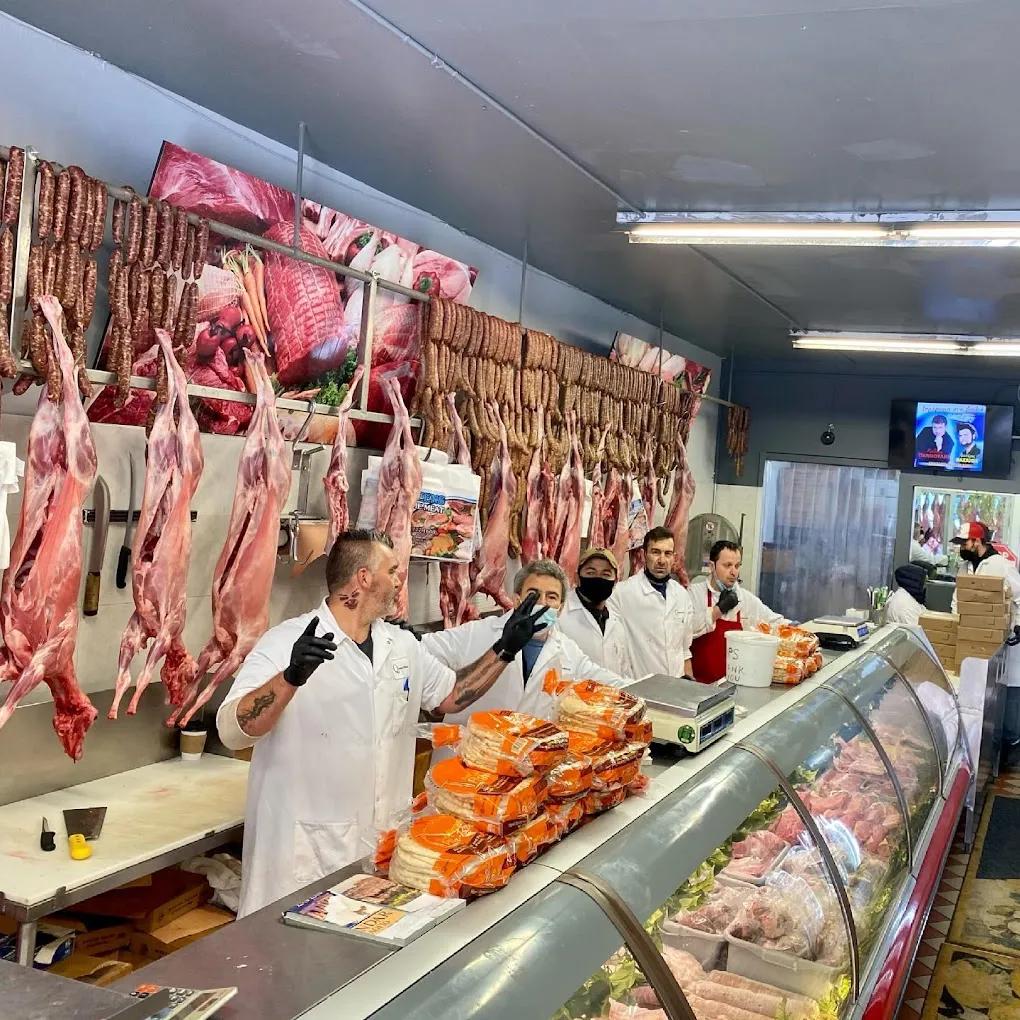
Queens Prime Meat Shop, a traditional butcher located in Astoria, Queens, specializes in fresh, locally sourced organic meats. The shop emphasizes quality and community trust by sourcing its products from local farms that adhere to organic standards. This commitment ensures that customers receive the freshest meat possible while supporting local agriculture. The shop’s focus on community engagement fosters trust and loyalty among its customers.
What Certifications and Standards Guarantee Organic Meat Quality?
Certifications play a vital role in ensuring the quality of organic meat. The USDA Organic certification is one of the most recognized standards, indicating that the meat has been produced according to strict organic farming practices. This certification assures consumers that the meat is free from synthetic additives and has been raised in humane conditions.
The ongoing development and enforcement of robust standards are crucial for the integrity and growth of organic livestock production.
Organic Livestock Production: The Need for Strong Standards
Organic livestock production has been increasing in the US, although it still merely constitutes a small fraction of total production. Its success will require detailed standards supported by scientific knowledge and consistent with organic farming principles. However, such standards, mandated under the Organic Foods Production Act of 1990, are yet to be fully developed.
Strengthening US organic standards on animal health and welfare, KA Merrigan, 2005
How Does USDA Organic Certification Differentiate Organic Meat?
USDA Organic certification differentiates organic meat by ensuring that it meets specific standards throughout the production process. This includes the prohibition of synthetic pesticides, antibiotics, and growth hormones. Additionally, animals must be raised on organic feed and have access to outdoor spaces, promoting their well-being. This certification provides consumers with confidence in the quality and safety of the meat they purchase.
What Should Consumers Look for When Identifying Certified Organic Meat?
When identifying certified organic meat, consumers should look for the USDA Organic seal on packaging. This seal guarantees that the meat has met the necessary standards for organic production. Additionally, consumers should be aware of labels such as “grass-fed” and “antibiotic-free,” which further indicate the quality of the meat. Understanding these labels helps consumers make informed choices when purchasing organic meat.
To explore a range of “organic meats”, consider visiting Queens Prime Meat Shop.
How Does the Pricing of Local Organic Meat Compare to Conventional Options?
The pricing of local organic meat can be higher than that of conventional options, but many consumers find the investment worthwhile. The higher cost reflects the sustainable farming practices and the quality of the meat. Additionally, purchasing organic meat supports local farmers and contributes to the local economy.
Is Organic Meat Worth the Investment for Health and Sustainability?
Investing in organic meat is often justified by the health benefits and environmental sustainability it offers. Studies suggest that organic meat is not only healthier but also contributes to reduced environmental impact. By choosing organic, consumers support farming practices that prioritize animal welfare and ecological balance, making it a worthwhile investment for those concerned about their health and the planet.
What Value Do Customers Receive from Queens Prime Meat Shop’s Organic Products?
Customers at Queens Prime Meat Shop receive exceptional value through high-quality organic meats that are locally sourced. The shop’s commitment to freshness and community trust ensures that customers can enjoy flavorful and nutritious meat options. By supporting local agriculture, customers also contribute to the sustainability of their community, making their purchase a responsible choice.
For more information about “Queens Prime Meat Shop” and its offerings, visit their website.